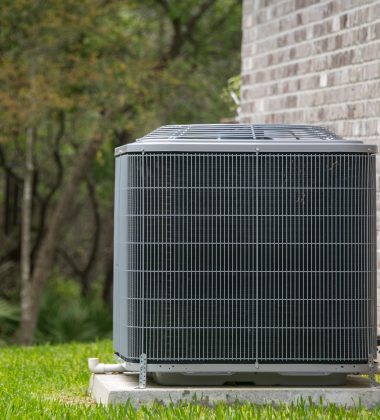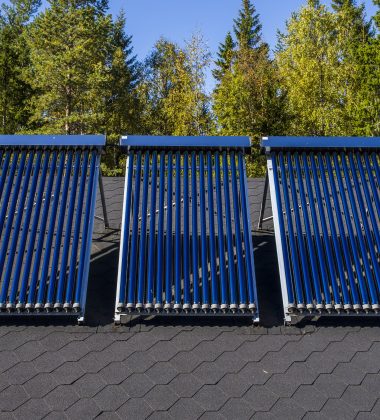
• Make your HVAC system work more efficiently
  • Kick that old fridge to the curb.
  • Get your air conditioner in shape for summer
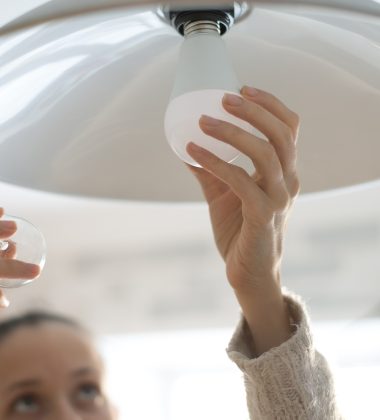
  • Find savings with energy-efficient light bulbs

POWER MOVES

Your source for energy belongs to you.

As a member-owned not-for-profit electric cooperative, we don’t exist to make money from selling electricity, but to provide electricity at the lowest possible rate. That means you benefit from energy-saving programs like POWER MOVES.

POWER MOVES is one more way we’re working to serve our community. We’re here to give you the information you need about the best ways to save. Because saving money at home, work, and school means big-picture savings—of money, of energy, and even of natural resources.

General

  • Energy Saving Tip #269

    Your dishwasher may be as smart as your kids.

    A soil-sensing dishwasher evaluates the level of grunge on your dishes to calculate the wash level that’s necessary, saving energy and water when, say, you haven’t let the lasagna dry on your plates before loading.

  • Energy Saving Tip #423

    You can’t toss CFLs in the trash, but then again you rarely need to get rid of them.

    Because they contain a small amount of mercury, compact florescent lights (CFLs) shouldn’t just be thrown into the garbage like incandescent bulbs. (But in their defense, CFLs beat incandescents for not tossing your money in the trash with unnecessary energy costs.) Find out how to dispose of CFLs.

  • Energy Saving Tip #280

    Maybe you got better with age, but your fridge sure didn’t.

    If you bought your refrigerator before 1993, it’s probably using twice the energy of a new model. The energy savings of a new fridge would buy a whole lot of wine and cheese to fill it with, if you’re into that.

  • Energy Saving Tip #438

    Maintain your furnace, and you won’t have to reach for a sweater before you get out of bed.

    Heating is the biggest energy cost in any household. Cutting that cost doesn’t have to mean replacing your furnace or wearing layers. Servicing your HVAC system, changing the filters, fixing leaks in ducts, and turning your thermostat down when you’re asleep add up to noticeable savings.

  • Energy Saving Tip #242

    Cut your energy bill and your taxes. We’d call that a win-win.

    You can get tax credits through 2016 for geothermal heat pumps, solar panels, solar water heaters, small wind energy systems, and fuel cells for your home. Bad news if you love paying taxes, we know. Click here to find out more.

  • Energy Saving Tip #100

    To sleep, perchance to dream of (very real) savings . . .

    On average, setting back your thermostat a degree shows up on your electric bill as a two percent savings. Unless you have a heat pump, you can turn back your thermostat at night to save about $180 per year, and mostly sleep through it.

  • Energy Saving Tip #360

    Your water heater tank shouldn’t be so hot you can fry an egg on it.

    If your tank feels warm to the touch, consider installing an insulating blanket. Doing so can reduce standby heat losses by 25 to 45 percent, which translates to savings of about four to nine percent in water heating cost.

  • Energy Saving Tip #133

    Possibly the only instance when running longer is better.

    The surge of energy that a CFL pulls when you switch it on lasts about a tenth of a second and consumes roughly the energy of five seconds of normal operation, but running the bulb for less than 15 minutes does shorten its life slightly. *Source: EnergyStar.com

  • Energy Saving Tip #270

    Don’t sweat condensation on your high-performing windows.

    Keeping the warmth inside means the lower-humidity, cooler temperature outside brings condensation to the outer pane. *Source: EnergyStar.com